

/DX%20Silence%20PAGE%20FA%203-04.webp)
/PHONE%20SIZE-14.webp)
/DX%20Silence%20PAGE%20FA%203-05.webp)
/PHONE%20SIZE-15.webp)
UNDERSTANDING NOISE
REDUCTION METHODS
Different Purpose. Different Technology.
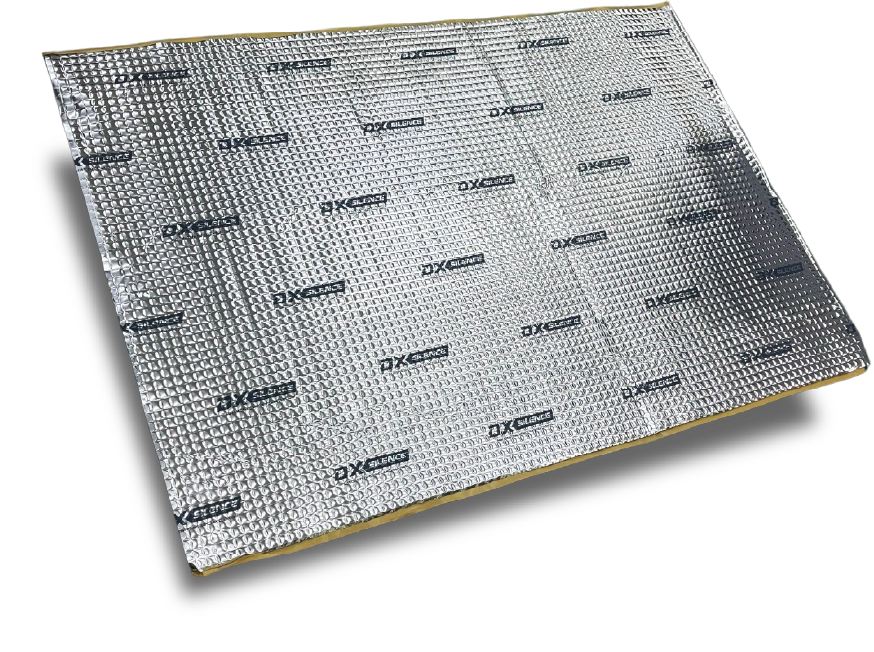
• Sound Deadening
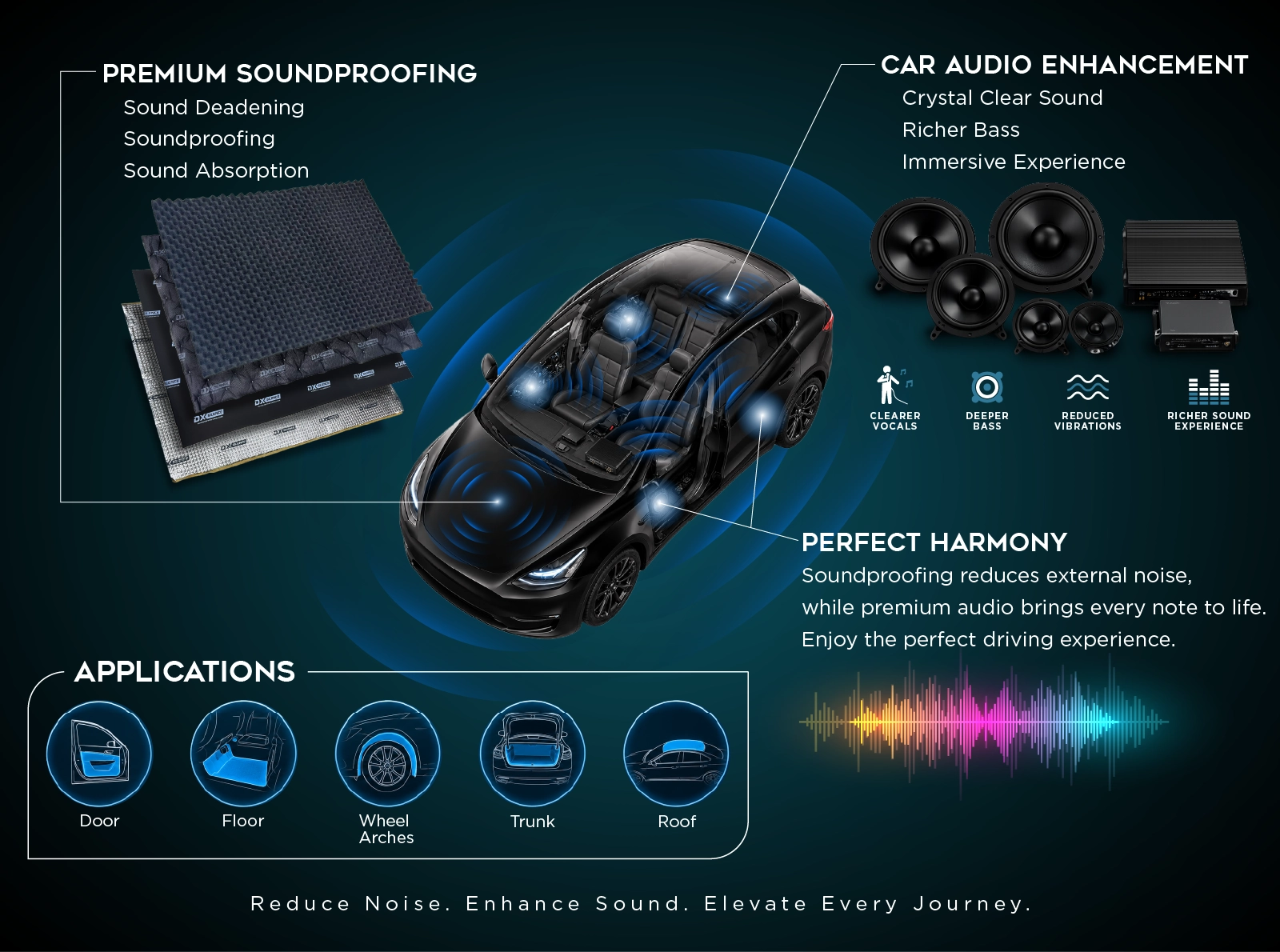
Designed to enhance audio quality and minimize road noise and vibrations, sound deadening materials are commonly used in vehicles to create a more comfortable and enjoyable driving experience.
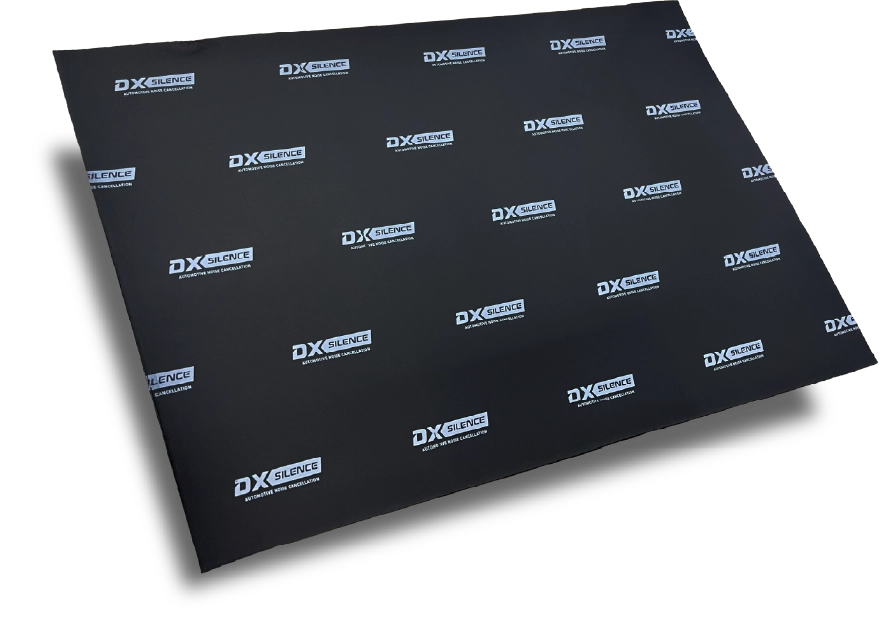
• Soundproofing
This method uses dense, airtight barriers to block sound from entering or leaving a space. Soundproofing is ideal for situations where preventing sound leakage is essential.
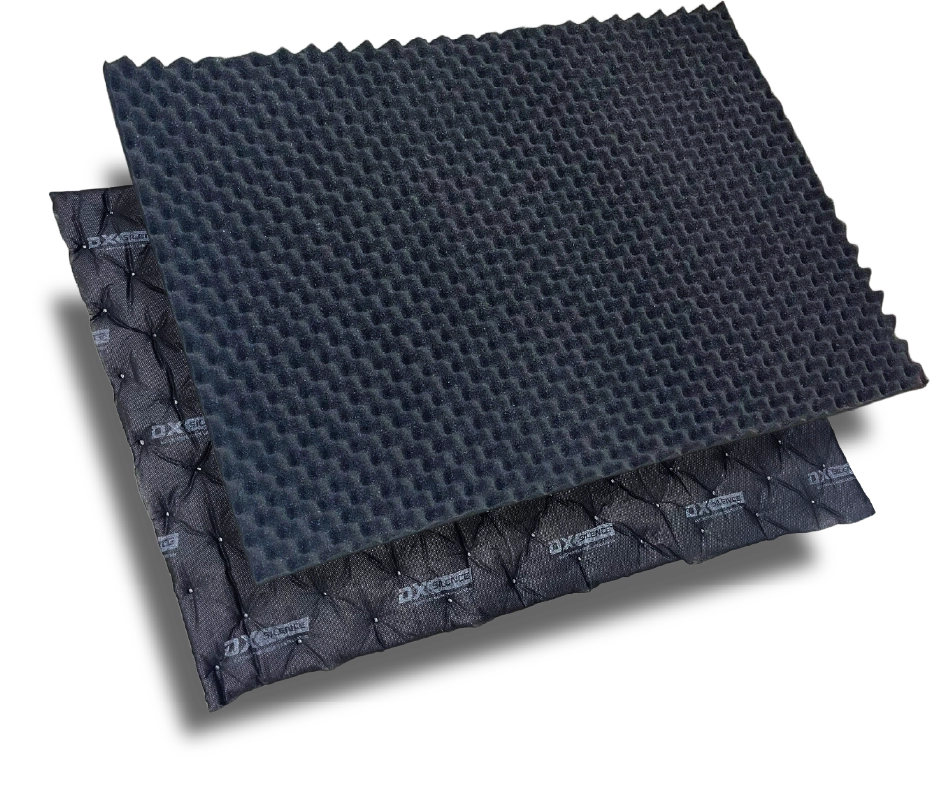
• Sound Absorption
Soft, porous materials are used to trap and convert sound waves, improving the acoustic quality within a space. This method is perfect for reducing echoes and reverberation, enhancing speech clarity.




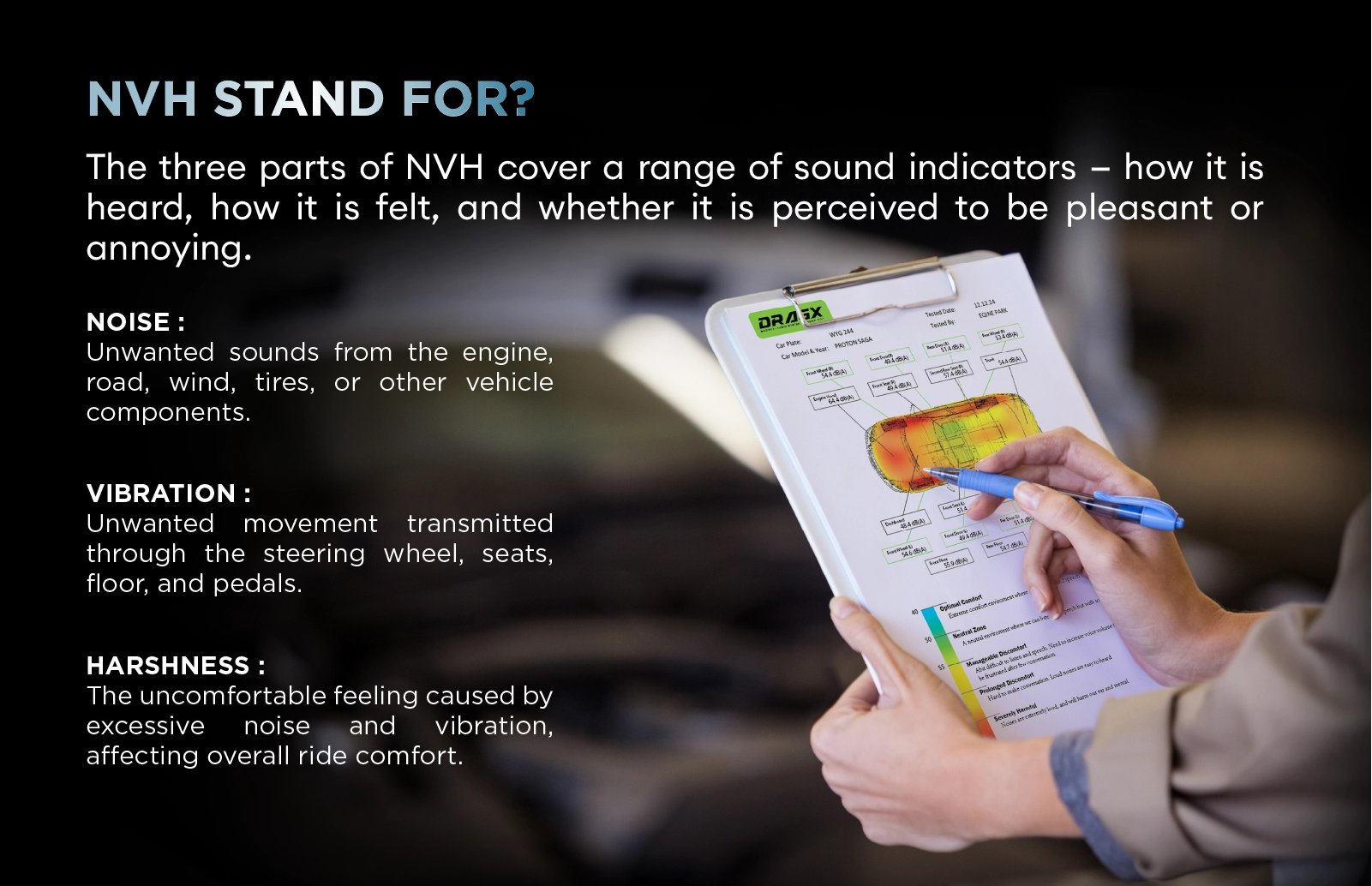

NVH STAND FOR?
The three parts of NVH cover a range of sound indicators — how it is heard, how it is felt, and whether it is perceived to be pleasant or annoying.
NOISE :
Unwanted sounds from the engine, road, wind, tires, or other vehicle components.
VIBRATION :
Unwanted movement transmitted through the steering wheel, seats, floor, and pedals.
HARSHNESS :
The uncomfortable feeling caused by excessive noise and vibration, affecting overall ride comfort.